Finding Her First
Real Job, Step by Step
Finding Her
First Real Job,
Step by Step
Finding Her
First Real Job,
Step by Step
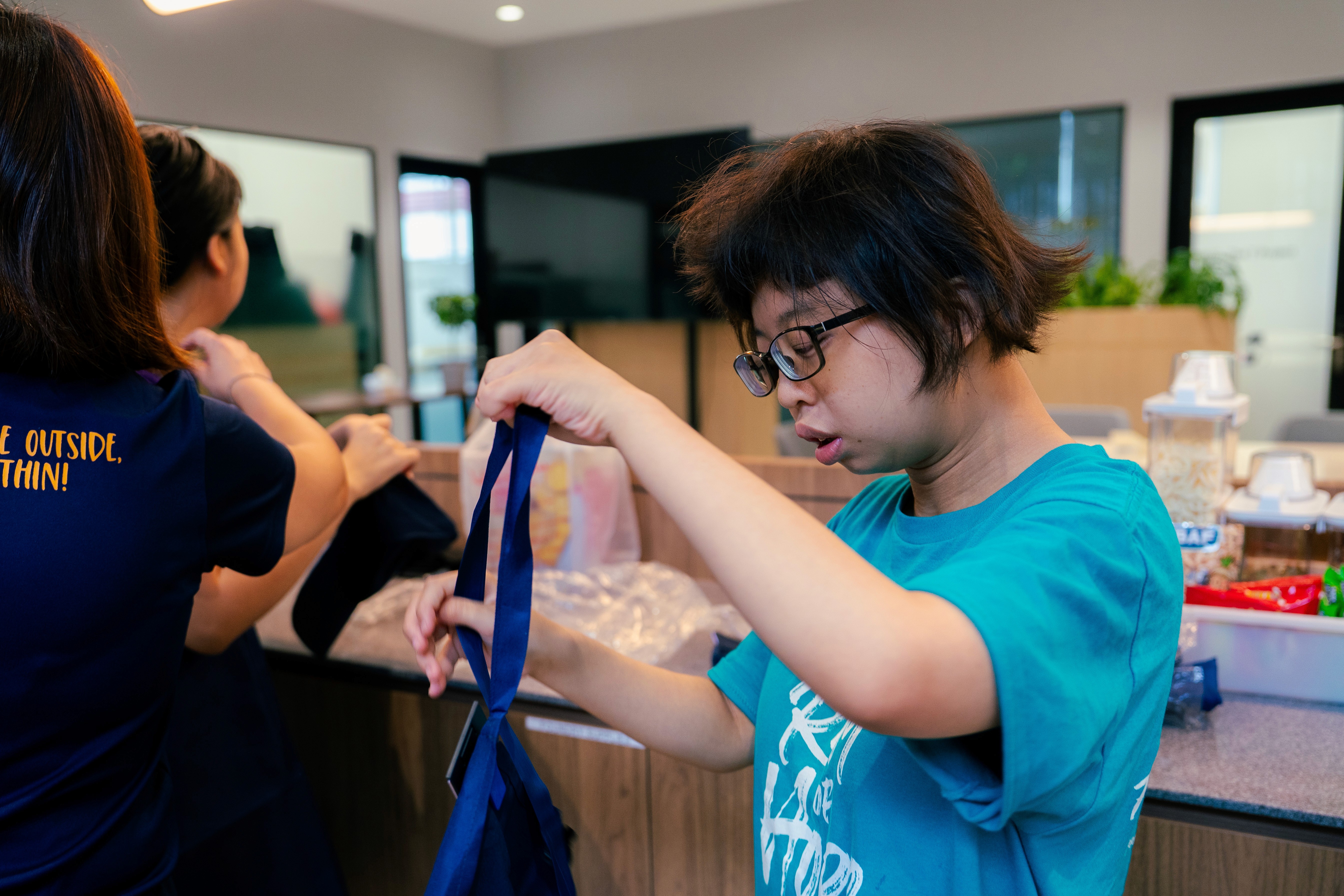
At a recent Kopi Teh Makan corporate pop-up, Jolin wheeled the coffee cart from table to table, carefully pouring hot tea and coffee into paper cups as office workers in crisp shirts hurried past. Soft-spoken by nature, she might once have shied away from such a bustling environment. But when one customer paused to chat, she met them with a small smile and a steady voice.
At a recent Kopi Teh Makan corporate pop-up, Jolin wheeled the coffee cart from table to table, carefully pouring hot tea and coffee into paper cups as office workers in crisp shirts hurried past. Soft-spoken by nature, she might once have shied away from such a bustling environment. But when one customer paused to chat, she met them with a small smile and a steady voice.
For the 23-year-old, who lives with autism, programmes like this have brought her into spaces she might never have entered. Yet the path has not been easy, as she now looks to find meaningful work.
For the 23-year-old, who lives with autism, programmes like this have brought her into spaces she might never have entered. Yet the path has not been easy, as she now looks to find meaningful work.
Finding Her Footing
Finding Her Footing
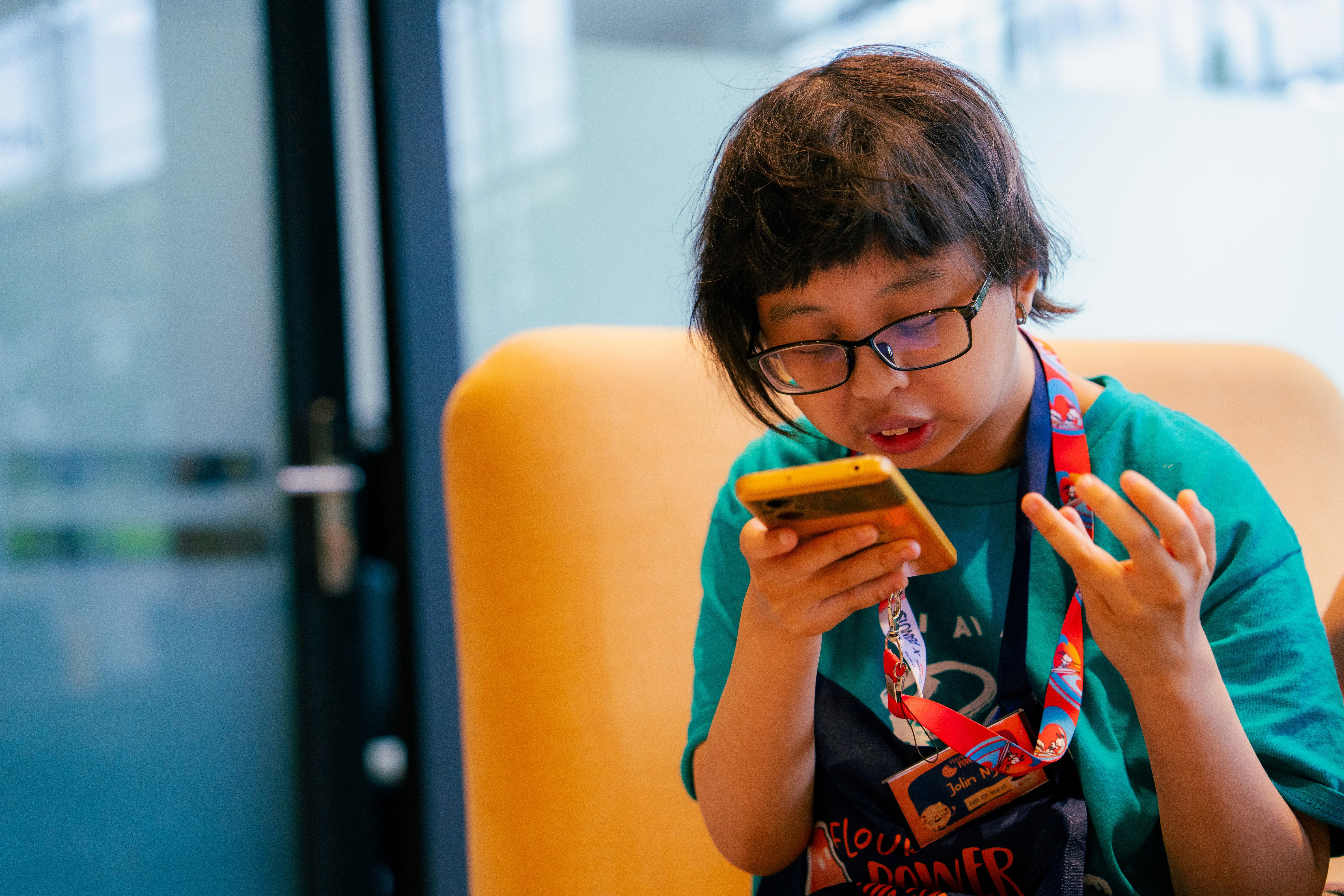
From a young age, Jolin attended mainstream schools, despite being diagnosed early with autism (PDD-NOS). She progressed from Anderson Primary, Mayflower Secondary to ITE College Central. School wasn’t always easy, as she had to learn to cope with a challenging mainstream curriculum, and learning to read social cues as a neurodivergent individual. Her poor balance meant she had to be chauffeured to and from school, and she often needed months to mentally map out new surroundings. Still, her classmates and teachers were generally supportive, and kindhearted peers helped her along.
From a young age, Jolin attended mainstream schools, despite being diagnosed early with autism (PDD-NOS). She progressed from Anderson Primary, Mayflower Secondary to ITE College Central. School wasn’t always easy, as she had to learn to cope with a challenging mainstream curriculum, and learning to read social cues as a neurodivergent individual. Her poor balance meant she had to be chauffeured to and from school, and she often needed months to mentally map out new surroundings. Still, her classmates and teachers were generally supportive, and kindhearted peers helped her along.
While mainstream education sharpened Jolin’s academic skills, her vocational and independent living skills lagged behind. “As a mother, all my time was spent focusing on academic skills,” reflects her mother, Ivy.
While mainstream education sharpened Jolin’s academic skills, her vocational and independent living skills lagged behind. “As a mother, all my time was spent focusing on academic skills,” reflects her mother, Ivy.
Now that she has graduated, Jolin has found the transition into work especially hard.
Now that she has graduated, Jolin has found the transition into work especially hard.
Barriers to Employment
Barriers to Employment
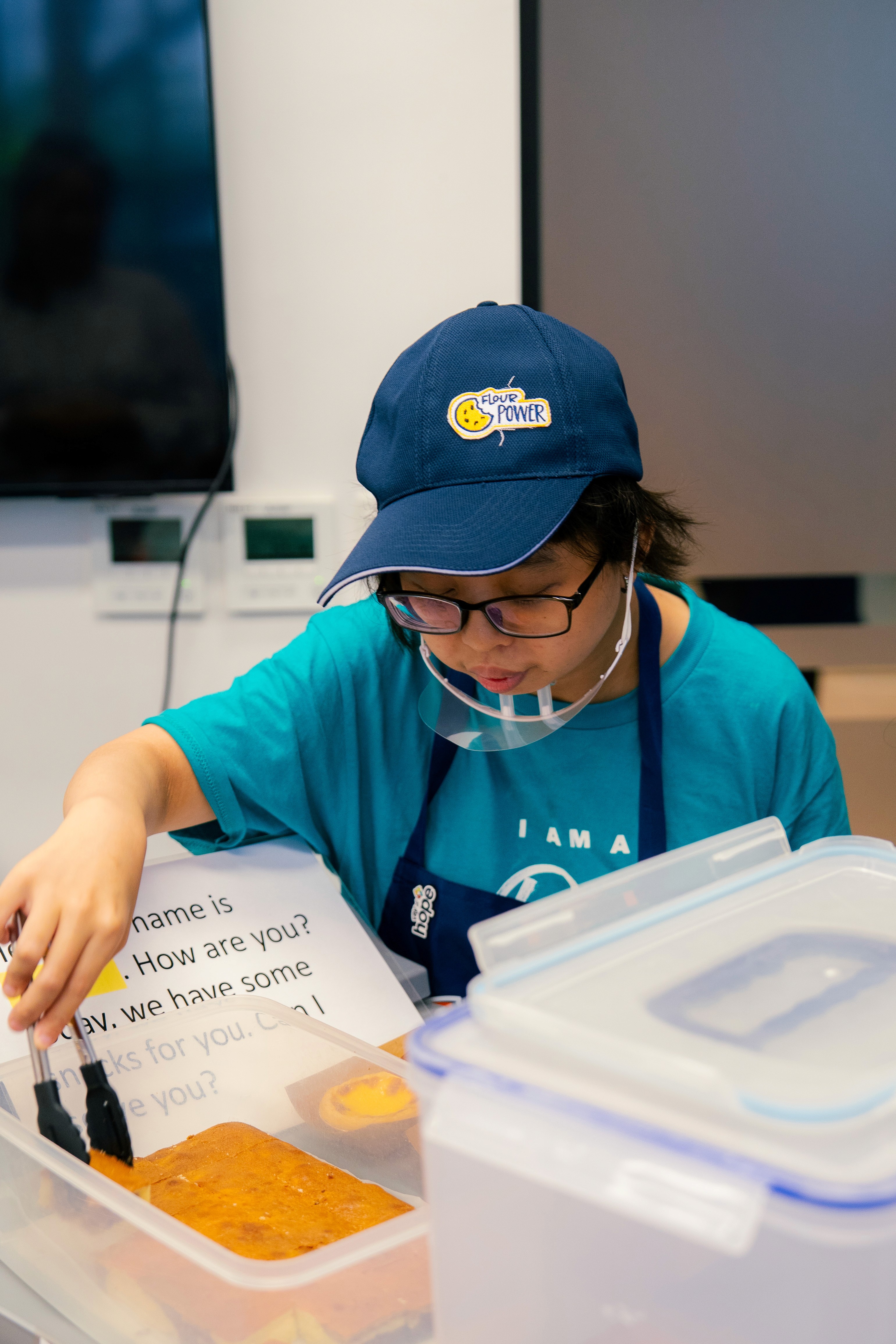
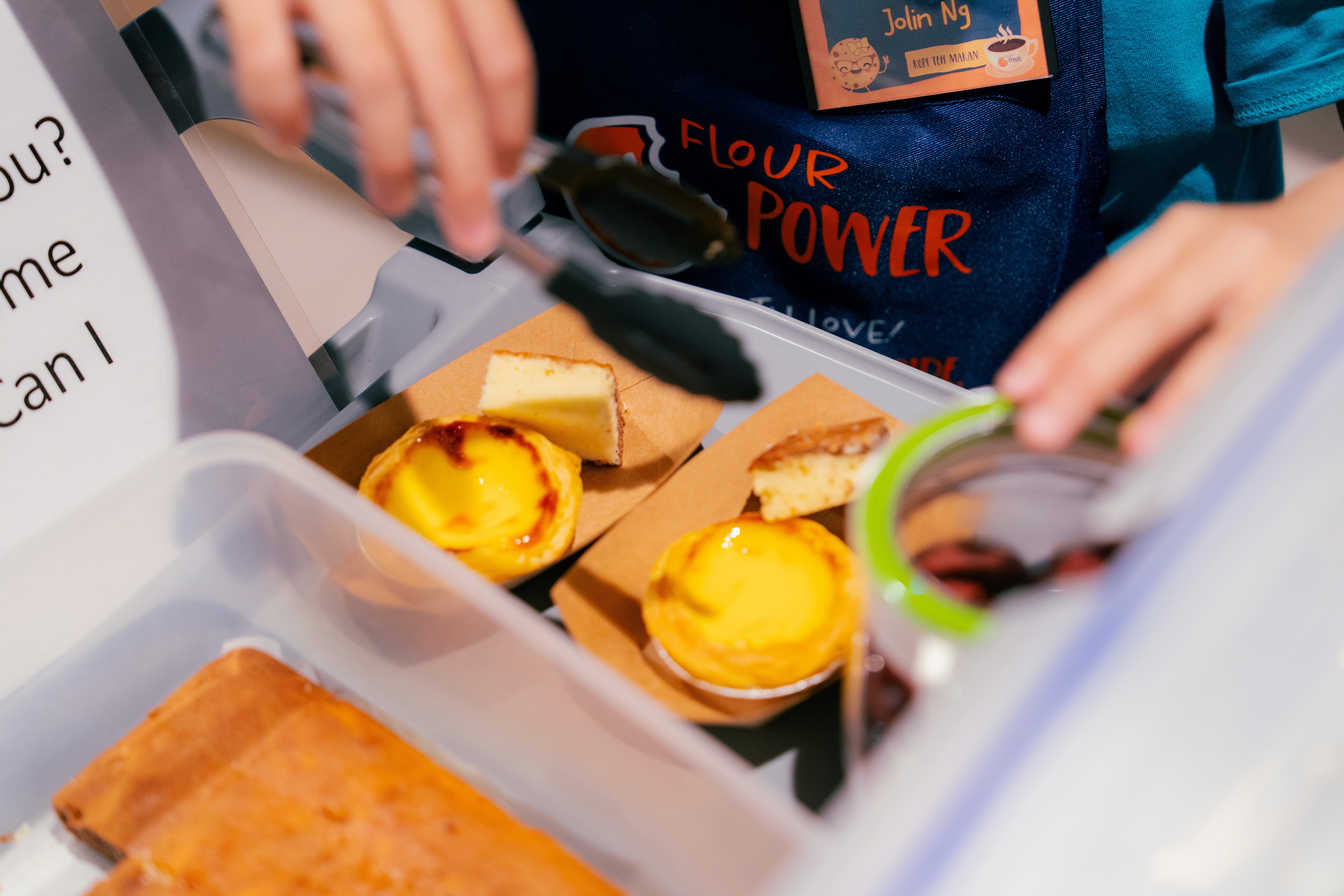
For young adults with special needs and limited fine motor skills, even small jobs can feel like navigating a maze. Fast-paced office work — with its constant multitasking and split-second decisions — can quickly overwhelm Jolin, so she needed a gentler, slower introduction to the workplace.
For young adults with special needs and limited fine motor skills, even small jobs can feel like navigating a maze. Fast-paced office work — with its constant multitasking and split-second decisions — can quickly overwhelm Jolin, so she needed a gentler, slower introduction to the workplace.
She’s tried several jobs and training programmes. At Bettr Barista, she did an internship, but heat sensitivity, physical discomfort, and low safety awareness made handling hot liquids or heavy items challenging. Even the simple act of her heart beating faster can trigger distress. Her tasks were limited to scanning, data entry, and spreadsheets instead of coffee preparation. Later, Jolin joined a sheltered workshop at THK Pan-Disability Centre @ Eunos. Hygiene and motor skill challenges — like tasks in farming and baking — meant she wasn’t considered suitable. Despite Ivy’s hopes, Jolin did not clear the probation stage.
She’s tried several jobs and training programmes. At Bettr Barista, she did an internship, but heat sensitivity, physical discomfort, and low safety awareness made handling hot liquids or heavy items challenging. Even the simple act of her heart beating faster can trigger distress. Her tasks were limited to scanning, data entry, and spreadsheets instead of coffee preparation. Later, Jolin joined a sheltered workshop at THK Pan-Disability Centre @ Eunos. Hygiene and motor skill challenges — like tasks in farming and baking — meant she wasn’t considered suitable. Despite Ivy’s hopes, Jolin did not clear the probation stage.
Jolin also tried exploring the Employability & Employment Centre (E2C) by Autism Resource Centre (ARC) programme, undergoing job trials in sewing Peranakan beads, scanning documents, and warehouse work.
Jolin also tried exploring the Employability & Employment Centre (E2C) by Autism Resource Centre (ARC) programme, undergoing job trials in sewing Peranakan beads, scanning documents, and warehouse work.
The journey has been emotionally taxing, leaving youths like Jolin with few options. Her mother notes that without tailored support, young adults with special needs often fall through the cracks of the job market.
The journey has been emotionally taxing, leaving youths like Jolin with few options. Her mother notes that without tailored support, young adults with special needs often fall through the cracks of the job market.
Kopi Teh Makan: A Lifeline
Kopi Teh Makan: A Lifeline
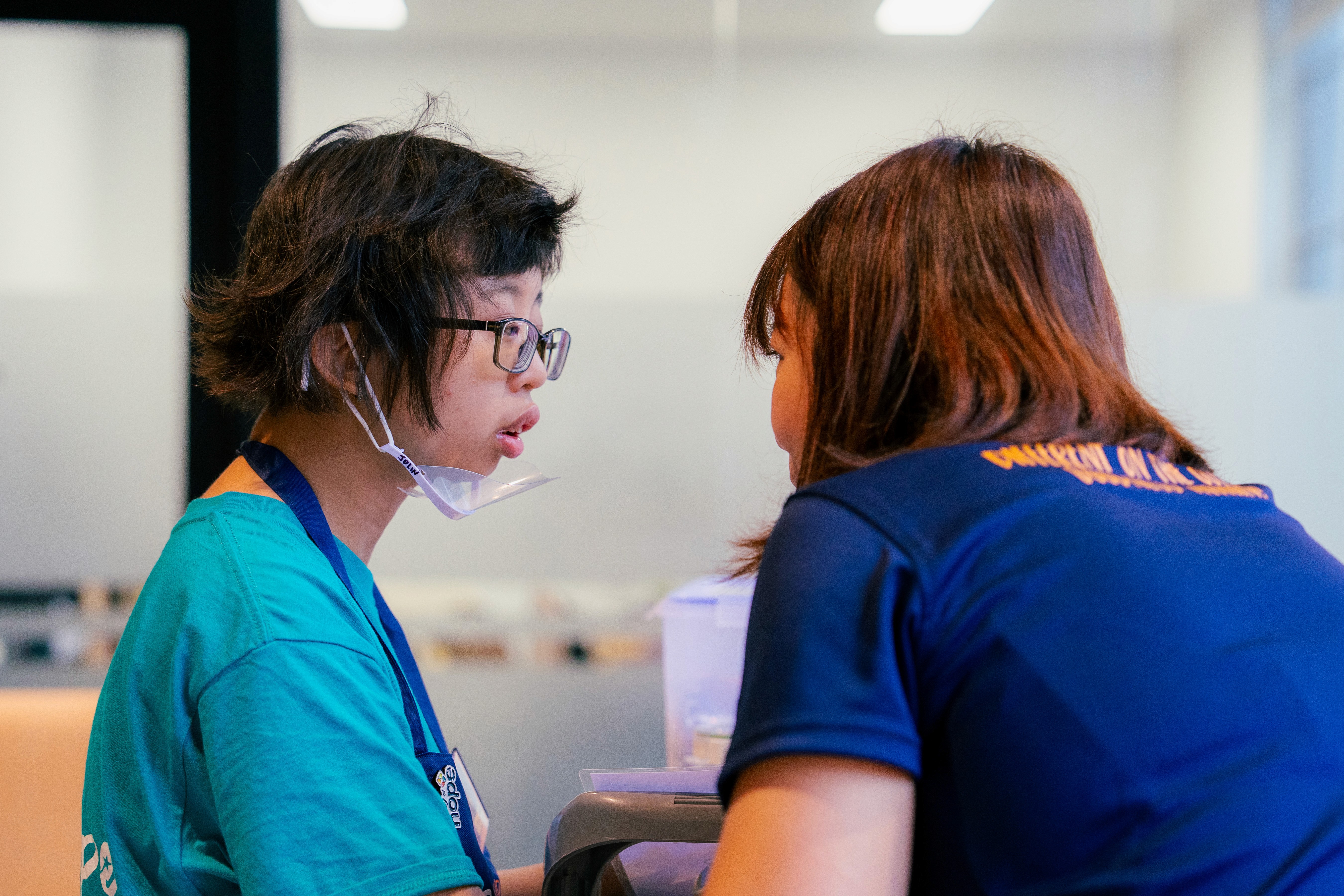
Amid these struggles, a breakthrough came through Kopi Teh Makan, a vocational programme run by Ray of Hope, Flour Power, and Foundry. Ivy first heard about it through a parents’ WhatsApp group. “At that point, I was at my wits’ end,” she recalls. “When you’re drowning, anything that looks like a lifeline, you go for it.”
Amid these struggles, a breakthrough came through Kopi Teh Makan, a vocational programme run by Ray of Hope, Flour Power, and Foundry. Ivy first heard about it through a parents’ WhatsApp group. “At that point, I was at my wits’ end,” she recalls. “When you’re drowning, anything that looks like a lifeline, you go for it.”
For Jolin, even tasks that most people take for granted need to be broken down into steps — cutting a sachet with scissors, carefully carrying a hot water flask, or pouring hot liquids. Wearing the uniform also posed challenges: the polo tee, apron, and spit guard felt tight and uncomfortable. She sometimes misses verbal instructions unless they’re written down, and occasionally edges toward meltdowns, expressing frustration with words like “boring.”
For Jolin, even tasks that most people take for granted need to be broken down into steps — cutting a sachet with scissors, carefully carrying a hot water flask, or pouring hot liquids. Wearing the uniform also posed challenges: the polo tee, apron, and spit guard felt tight and uncomfortable. She sometimes misses verbal instructions unless they’re written down, and occasionally edges toward meltdowns, expressing frustration with words like “boring.”
Yet with patient coaching and careful adjustments, she has surprised her mother. “For me, it’s a miracle to see her tie her apron by herself,” Ivy says. Flour Power’s trainers have been instrumental: “They are very patient, the trainer-to-client ratio is small, and they customise the support. They always speak in a loving tone, which is very important for Jolin not to get triggered.” Kitchen tools are designed for accessibility, and written scripts guide her speech and greetings.
Yet with patient coaching and careful adjustments, she has surprised her mother. “For me, it’s a miracle to see her tie her apron by herself,” Ivy says. Flour Power’s trainers have been instrumental: “They are very patient, the trainer-to-client ratio is small, and they customise the support. They always speak in a loving tone, which is very important for Jolin not to get triggered.” Kitchen tools are designed for accessibility, and written scripts guide her speech and greetings.
“With Ray of Hope, they give me more than a ray of hope. They show me my child can earn, my child can work. I wasn’t able to find any place for Jolin to work in, but here she has her first real job,” Ivy adds. “Sometimes as parents, we think they can’t do it. But they prove us otherwise.”
“With Ray of Hope, they give me more than a ray of hope. They show me my child can earn, my child can work. I wasn’t able to find any place for Jolin to work in, but here she has her first real job,” Ivy adds. “Sometimes as parents, we think they can’t do it. But they prove us otherwise.”
Looking Ahead
Looking Ahead
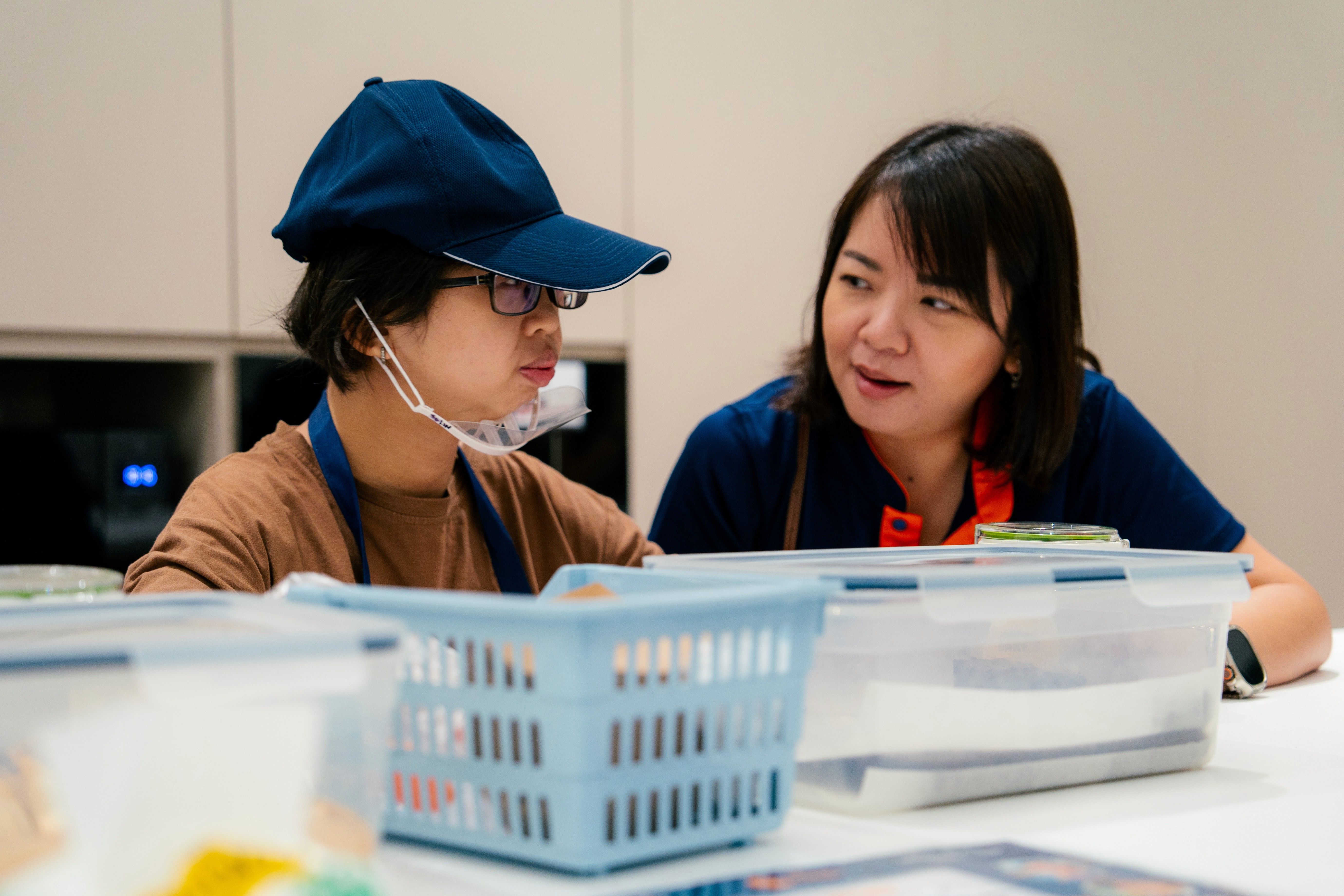
Jolin has just been accepted into a six-week-long Train-and-Place (TnP) Programme at Singapore Institute of Hospitality, where she is currently receiving short-term, full-time job-relevant training for a career in the tourism and hospitality sector.
Jolin has just been accepted into a six-week-long Train-and-Place (TnP) Programme at Singapore Institute of Hospitality, where she is currently receiving short-term, full-time job-relevant training for a career in the tourism and hospitality sector.
“I just want Jolin to have the chance to learn, gain confidence, and be gainfully employed — to earn her own upkeep and have a place in the world,” Ivy says.
“I just want Jolin to have the chance to learn, gain confidence, and be gainfully employed — to earn her own upkeep and have a place in the world,” Ivy says.
Outside KTM, Jolin continues to build independent living skills. She recently attended a 3-day, 2-night residential camp organised by ARC Learning Academy, where she learned to cook simple meals, manage money, and keep her own room. She is also being trained to travel independently on fixed public transport routes, use PayNow and ATM cards, and cook at home.
Outside KTM, Jolin continues to build independent living skills. She recently attended a 3-day, 2-night residential camp organised by ARC Learning Academy, where she learned to cook simple meals, manage money, and keep her own room. She is also being trained to travel independently on fixed public transport routes, use PayNow and ATM cards, and cook at home.
Despite her weaker motor skills, she has tried sailing, bowling and rock-climbing, thanks to inclusive activities organised by various organisations (CaringSG, SDSC, Enabling Services Hub, Running Hour). Through the NCSF Uplift Programme with a one-to-one volunteer gym trainer, she is also strengthening her motor skills.
Despite her weaker motor skills, she has tried sailing, bowling and rock-climbing, thanks to inclusive activities organised by various organisations (CaringSG, SDSC, Enabling Services Hub, Running Hour). Through the NCSF Uplift Programme with a one-to-one volunteer gym trainer, she is also strengthening her motor skills.
“She may take a longer time, but we just continue to give her more exposure and opportunities,” Ivy reflects. “Everything is possible — we just need to believe in her.”
“She may take a longer time, but we just continue to give her more exposure and opportunities,” Ivy reflects. “Everything is possible — we just need to believe in her.”